

Electronic filing, often called e-filing, is an important part of the North Carolina workers’ compensation system. The North Carolina Industrial Commission uses electronic filing procedures for forms, motions, medical records, and case-related documents in many workers’ compensation claims.
Filing errors, missed deadlines, incomplete documentation, and technical mistakes can delay benefits, hearings, and claim resolution. Injured workers should understand how electronic filing affects their case and why accurate documentation and timely submissions are critical under North Carolina workers’ compensation laws.
Bowman Law PLLC helps injured workers throughout Winston-Salem and North Carolina navigate workers’ compensation claims, filing disputes, denied benefits, and procedural issues before the North Carolina Industrial Commission. Attorney Joe Bowman works with clients to help protect their rights throughout the claims process.
What Is Electronic Filing in North Carolina Workers’ Compensation Cases?
Electronic filing refers to the digital submission of workers’ compensation documents through systems approved by the North Carolina Industrial Commission.
Instead of relying entirely on paper filings, many forms and legal documents are now submitted electronically throughout a workers’ compensation case. This process is designed to improve efficiency, document tracking, and communication between parties involved in the claim.
Electronic filing may involve:
- Workers’ compensation claim forms
- Motions and hearing requests
- Medical records and documentation
- Settlement agreements
- Legal notices and correspondence
For injured workers in Winston-Salem, understanding how electronic filing works can help explain why delays or disputes sometimes occur during the claims process.
Even small filing errors can affect deadlines, hearings, or benefit approvals.
Why Electronic Filing Matters in Workers’ Compensation Claims
Workers’ compensation claims involve strict procedural requirements under North Carolina law. Electronic filing systems help organize and track documents, but they also create additional technical and procedural responsibilities.
Proper filing affects:
- Whether deadlines are met
- Whether the Commission accepts documents
- Whether hearings proceed on schedule
- Whether medical evidence is properly submitted
When documents are missing, incomplete, or incorrectly filed, delays may occur that affect both medical treatment and wage replacement benefits.
In some situations, disputes arise simply because required documents were not submitted properly or on time.
Electronic Filing Trends in Workers’ Compensation Cases
As workers’ compensation systems become increasingly digital, filing errors and procedural issues remain common sources of delays in claims processing and dispute resolution.
Electronic filing systems improve efficiency in workers’ compensation cases, but filing mistakes and procedural errors can still create significant delays and complications.
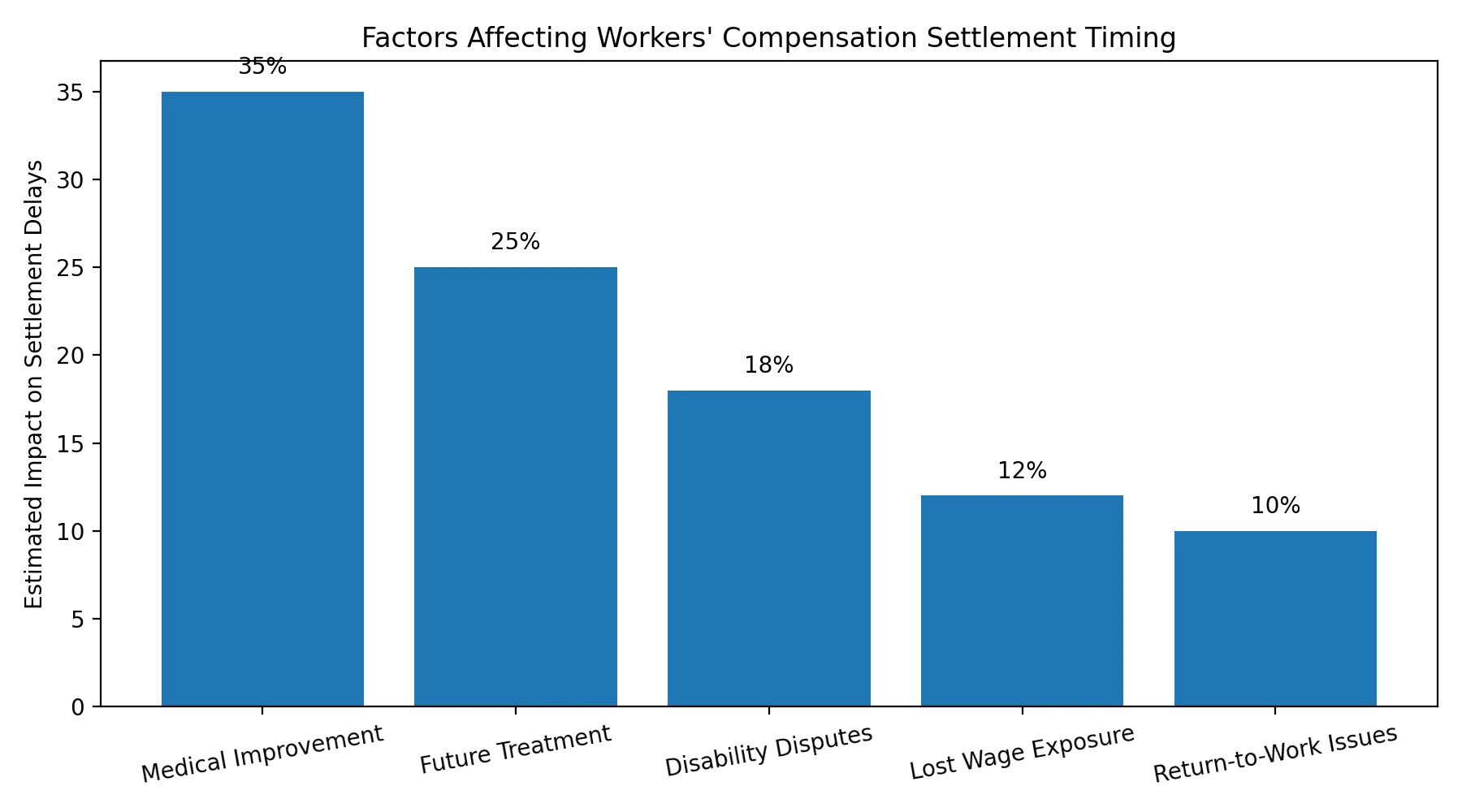
Common electronic filing issues in North Carolina workers’ compensation cases. Missed deadlines and incomplete documentation remain major causes of delays.
Sources:
North Carolina Industrial Commission, North Carolina Workers’ Compensation Rules
These filing issues matter because procedural errors can affect claim timelines, hearing schedules, and the ability to recover benefits.
Common Electronic Filing Mistakes
Several types of filing errors commonly affect workers’ compensation cases in North Carolina.
Missed Deadlines
Workers’ compensation claims involve strict filing deadlines for forms, responses, hearings, and appeals.
Missing a deadline may affect:
- Benefit eligibility
- Hearing rights
- Settlement approvals
- Appeals and motions
Even when a claim itself is valid, procedural mistakes can create complications.
Incomplete Forms
Workers’ compensation forms must often include detailed information regarding:
- Injury dates
- Employer information
- Medical treatment
- Disability status
Missing information may result in rejected filings or requests for corrections.
Missing Medical Documentation
Medical evidence is often critical in workers’ compensation disputes. If records are not properly filed or attached, the Commission may not have the information necessary to fully evaluate the claim.
Technical Filing Errors
Electronic filing systems can sometimes involve technical problems, such as:
- Upload failures
- Incorrect document formats
- Duplicate submissions
- Filing the wrong case
Technical issues may still affect deadlines if not addressed quickly.
Important Workers’ Compensation Forms in North Carolina
Several forms are commonly involved in North Carolina workers’ compensation claims.
Examples include:
- Form 18 for reporting the injury claim
- Form 33 for requesting a hearing
- Form 26A for disability agreements
- Clincher settlement documents
Electronic filing systems are frequently used for these documents during the course of a claim.
Understanding which forms apply and when they must be filed is important for avoiding procedural problems.
How Filing Delays Can Affect Injured Workers
Filing problems can create delays that directly affect injured workers and their families.
Potential consequences may include:
- Delayed wage replacement benefits
- Delayed medical treatment approvals
- Hearing postponements
- Extended disputes regarding disability status
In serious injury cases, these delays may create significant financial stress while workers are unable to return to work.
Because workers’ compensation systems involve multiple parties—including employers, insurance carriers, doctors, and attorneys—even minor filing issues can slow the process considerably.
Electronic Filing and Medical Evidence
Medical documentation plays a major role in nearly every workers’ compensation claim.
Electronic filing systems are often used to submit:
- Physician evaluations
- Disability ratings
- Treatment records
- Diagnostic imaging reports
If medical evidence is incomplete or improperly filed, disputes may arise regarding:
- Whether treatment is necessary
- Whether the injury is work-related
- Whether the worker can return to employment
Accurate and organized documentation is especially important in cases involving long-term disability or disputed treatment.
Electronic Filing and Settlement Agreements
Workers’ compensation settlements in North Carolina generally require approval by the North Carolina Industrial Commission.
Electronic filing may be used to submit:
- Clincher Agreements
- Supporting medical records
- Wage documentation
- Settlement motions
Incomplete settlement filings can delay approval and postpone payment processing.
Because settlements often permanently close workers’ compensation claims, it is important to ensure all documents are properly filed before final approval.
How Electronic Filing Affects Hearings and Appeals
Workers’ compensation hearings and appeals involve substantial documentation requirements.
Electronic filing systems help manage:
- Hearing requests
- Motions and responses
- Evidence submissions
- Scheduling notices
Procedural filing mistakes may affect hearing dates or the ability to present evidence effectively.
In disputed claims, proper filing procedures often become especially important because deadlines and evidentiary rules may significantly affect case outcomes.
The Role of the North Carolina Industrial Commission
The North Carolina Industrial Commission oversees workers’ compensation filings, hearings, settlements, and procedural requirements throughout the state.
The Commission’s electronic filing systems are designed to improve efficiency and recordkeeping for workers’ compensation cases.
However, the system still requires careful compliance with filing rules and deadlines.
Workers unfamiliar with procedural requirements may face additional challenges navigating the process alone.
How a Winston-Salem Workers’ Compensation Lawyer Can Help
Workers’ compensation cases often involve procedural requirements that injured workers may not fully understand, especially when disputes arise.
An attorney can help by:
- Ensuring required forms are filed properly
- Monitoring deadlines and procedural requirements
- Gathering medical documentation
- Addressing disputes before the Industrial Commission
Bowman Law PLLC works with injured workers throughout Winston-Salem and focuses on workers’ compensation claims involving denied benefits, filing disputes, hearings, and settlement issues.
Attorney Joe Bowman helps clients navigate both the legal and procedural aspects of workers’ compensation claims under North Carolina law.
Why Injured Workers Turn to Bowman Law PLLC
Workers dealing with filing problems or denied claims often face confusion regarding procedural rules and legal requirements.
Bowman Law PLLC helps injured workers throughout Winston-Salem understand how the workers’ compensation system operates and what steps may be necessary to protect their rights.
Clients receive:
- Clear communication throughout the claims process
- Guidance regarding forms and deadlines
- Representation during disputes and hearings
The firm focuses on helping injured workers navigate North Carolina workers’ compensation claims efficiently and effectively.
Take the Next Step
Electronic filing has become a major part of the North Carolina workers’ compensation system, but procedural errors and delays can still create serious problems for injured workers.
If you have questions about a workers’ compensation filing issue, denied claim, or hearing process in Winston-Salem or elsewhere in North Carolina, Bowman Law PLLC can help you better understand your legal options. Calling (336) 470-0177 can help you learn about the steps that may be available in your situation.
Frequently Asked Questions
What is electronic filing in a workers’ compensation case?
Electronic filing involves submitting workers’ compensation forms, records, and legal documents digitally through approved systems.
Can filing mistakes delay workers’ compensation benefits?
Yes. Missed deadlines, incomplete forms, or missing records may delay benefits or hearings.
What forms are commonly filed electronically in North Carolina?
Common forms include Form 18, Form 33, settlement agreements, and medical documentation.
Does the North Carolina Industrial Commission require electronic filing?
Many workers’ compensation filings are now handled electronically through approved systems and procedures.
Should I speak with a lawyer if there are filing problems in my case?
Yes. Procedural issues and filing mistakes can affect important rights and deadlines in workers’ compensation claims.